Traditional fertilizing usually involves applying fertilizer directly to the soil by hand, machinery, or other application methods. Fertigation takes a different approach by delivering dissolved fertilizer through an irrigation system, allowing water and nutrients to reach crops through the same distribution network.
For farms looking to improve irrigation and fertilizer management, fertigation can provide several practical advantages over conventional fertilizing methods.
Traditional fertilizer application can make it difficult to distribute nutrients evenly across a field, particularly when large areas are involved.
With fertigation, nutrients are mixed with irrigation water and delivered through the irrigation system. This allows fertilizer application to be adjusted according to crop requirements and irrigation schedules.
The actual precision depends on the irrigation system, fertilizer equipment, water quality, and operating settings.
One of the main advantages of fertigation is that irrigation and fertilization can be carried out through the same system.
Instead of arranging irrigation and fertilizer application as completely separate operations, farmers can supply water and dissolved nutrients during the same irrigation cycle. This can simplify routine field management and make nutrient application easier to coordinate with crop growth.
Traditional fertilizing may require workers or machinery to transport, spread, and distribute fertilizer across the field.
A fertigation system can reduce some of this manual work by using pumps, fertilizer injection equipment, pipelines, and irrigation systems to distribute nutrients.
This can be particularly useful for larger farms or agricultural operations where frequent fertilizer application is required.
Crop nutrient requirements can change during different growth stages. Applying a large amount of fertilizer at one time is not always suitable for every crop or growing condition.
Fertigation allows fertilizer to be supplied in smaller applications through irrigation cycles. Farmers can adjust the timing and amount of fertilizer according to their crop management plan.
This flexibility can be useful for greenhouse production, fruit cultivation, vegetables, and other crops that require regular nutrient management.
When irrigation and fertilization are properly managed, fertigation can help deliver water and nutrients closer to the crop root zone.
Compared with some conventional broadcasting methods, this can reduce unnecessary fertilizer application outside the target area. However, the actual fertilizer efficiency depends on factors such as irrigation method, soil conditions, fertilizer type, water quality, and system management.
Fertigation should therefore be viewed as a management method rather than a guarantee of higher fertilizer efficiency in every situation.
Fertigation works particularly well with irrigation methods that provide controlled water distribution, such as drip irrigation and certain micro-irrigation systems.
These systems can distribute water and dissolved nutrients through pipelines to specific crop areas, making them suitable for controlled agricultural production.
For greenhouses, orchards, vegetable farms, and other intensive cultivation environments, fertigation can become part of an integrated irrigation and nutrient management system.
| Factor | Traditional Fertilizing | Fertigation |
|---|---|---|
| Fertilizer Application | Separate fertilizer operation | Fertilizer supplied through irrigation |
| Labor | May require more manual work | Can reduce manual application work |
| Application Timing | Usually separate from irrigation | Can be coordinated with irrigation |
| Nutrient Management | Often applied in larger batches | Can support more frequent applications |
| System Requirement | Basic fertilizer equipment | Irrigation and fertilizer equipment |
| Automation | Depends on equipment | More suitable for automated control |
Neither method is suitable for every farm. The choice should consider crop type, field size, irrigation method, fertilizer requirements, water quality, and available equipment.
Fertigation may be worth considering when:
Proper filtration, fertilizer dissolution, system calibration, and regular maintenance are also important. Poorly dissolved fertilizer or unsuitable fertilizer combinations can cause clogging and affect system performance.
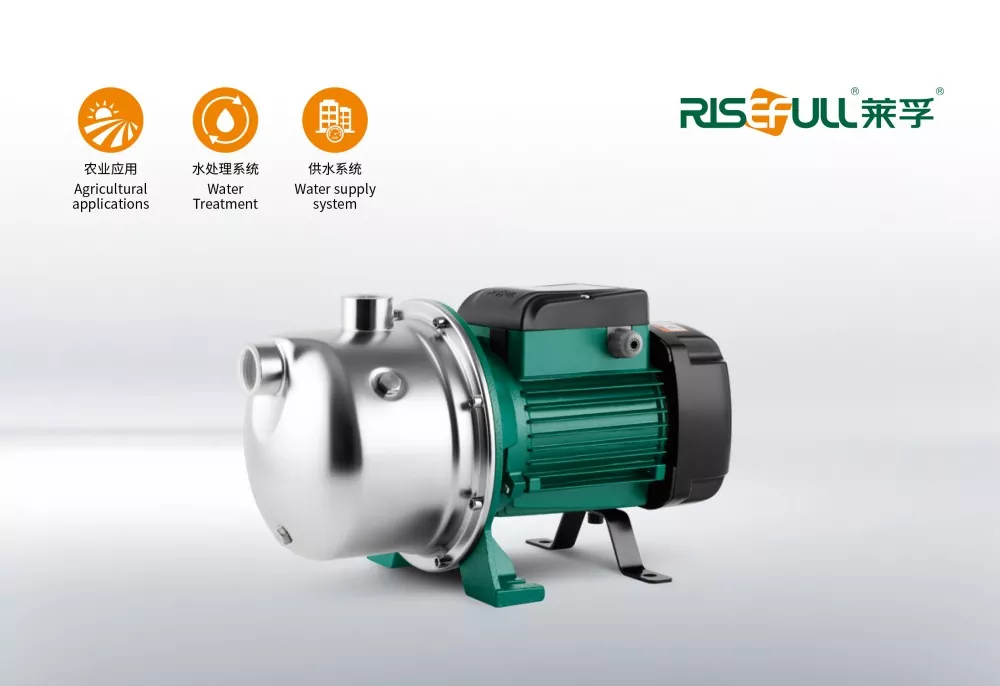
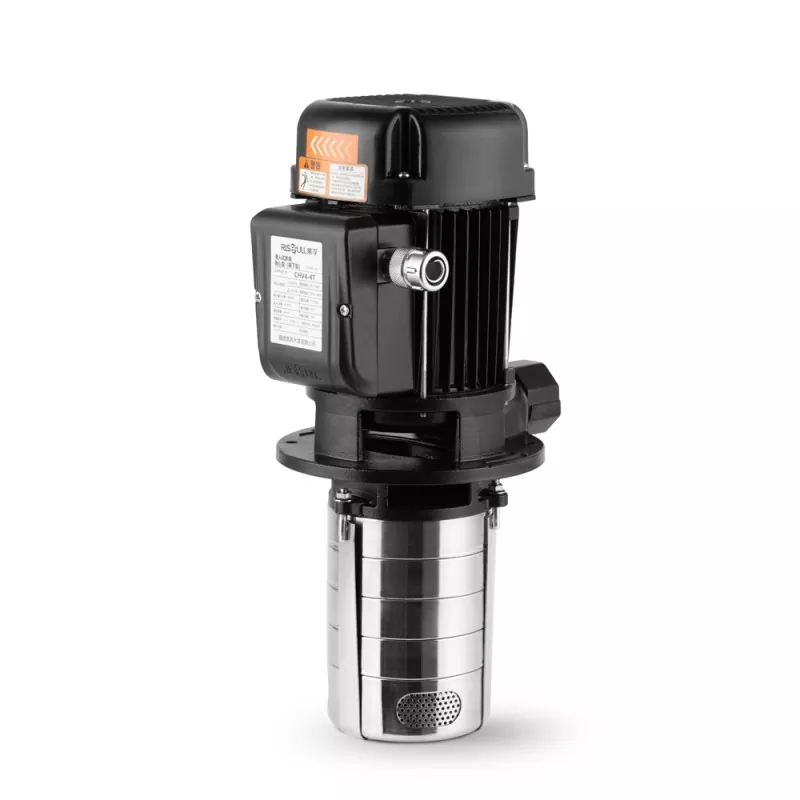
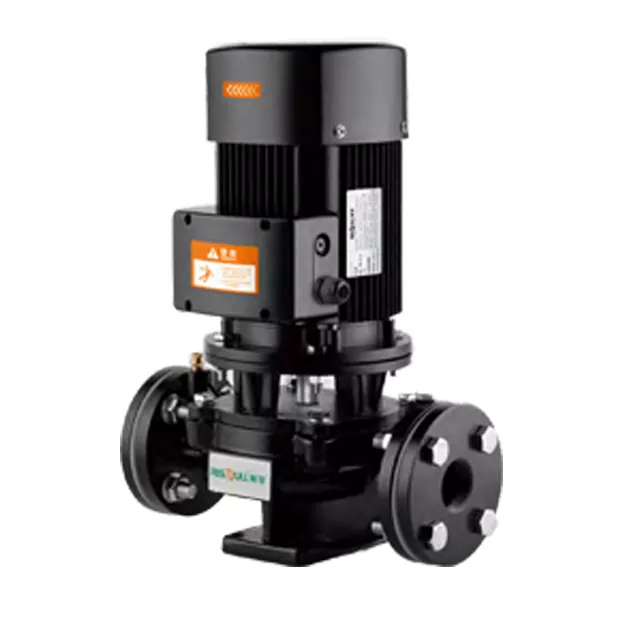
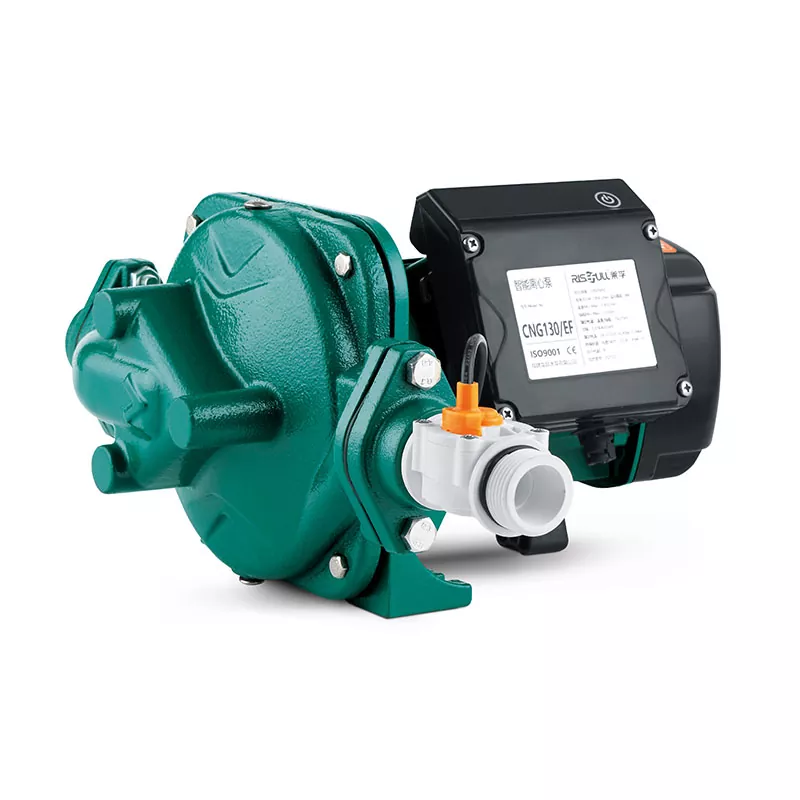
For agricultural operations using fertigation, the pump is an important part of the system because it supports the movement and distribution of irrigation water and nutrients through the pipeline network.
An Irrigation and Fertilizer Integrated Machine Pump can be used as part of an integrated irrigation and fertilization setup, depending on the system configuration and required flow and pressure.
When selecting this type of equipment, buyers should consider the required flow rate, operating pressure, irrigation area, fertilizer type, water quality, and irrigation method rather than selecting a pump based only on power.