In modern agriculture, fertilizer application is no longer limited to manually spreading granular fertilizer. With the development of precision farming, irrigation systems, and greenhouse cultivation, fertilizer pumps have become an important tool for delivering nutrients accurately to crops.
A fertilizer pump is not simply a device that moves liquid. It needs to handle different fertilizer concentrations, maintain stable flow, and ensure nutrients are evenly distributed throughout the irrigation system. A well-designed fertilizer pumping system can help improve fertilizer utilization and reduce unnecessary waste.
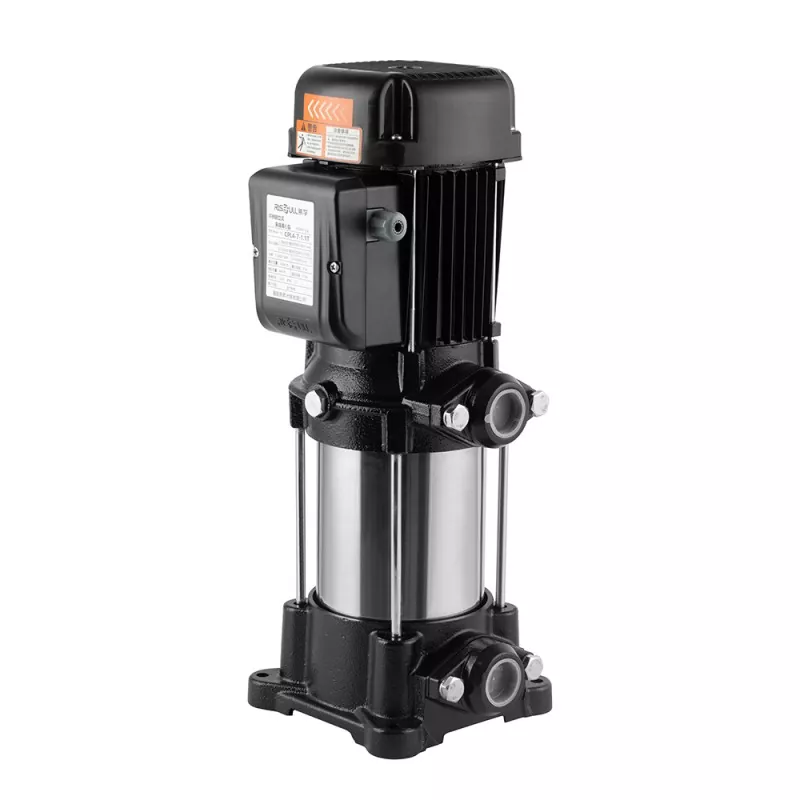
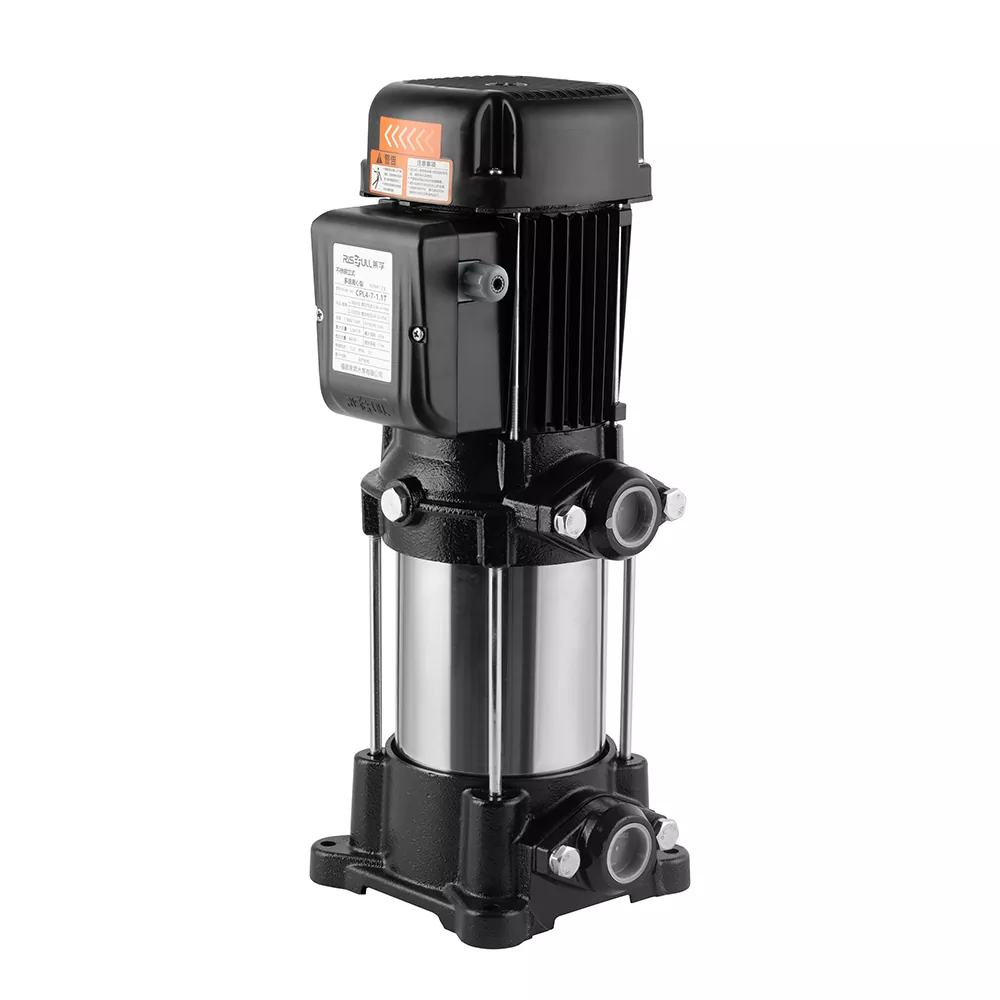
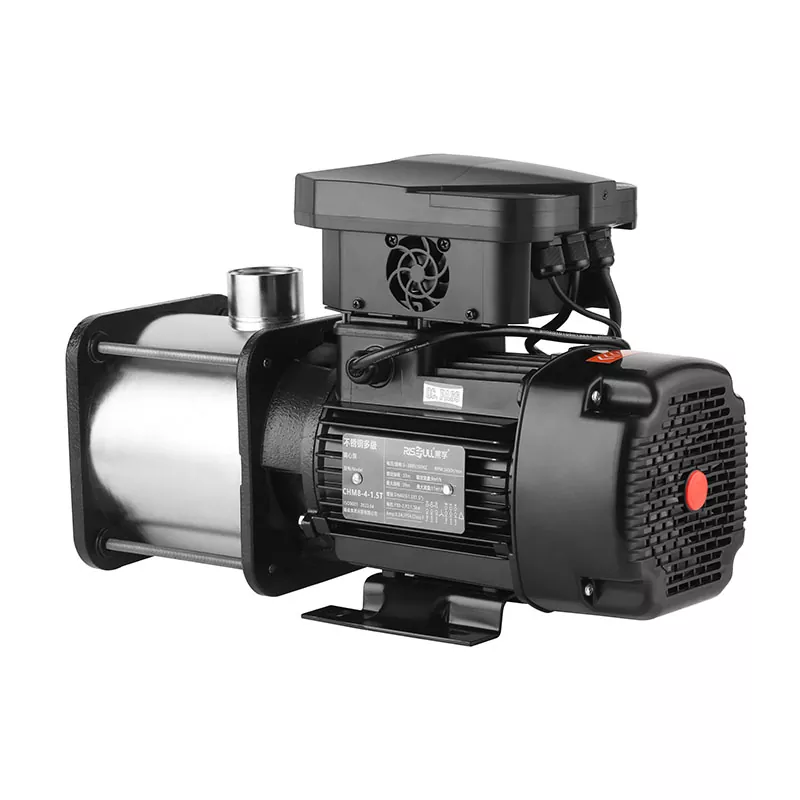
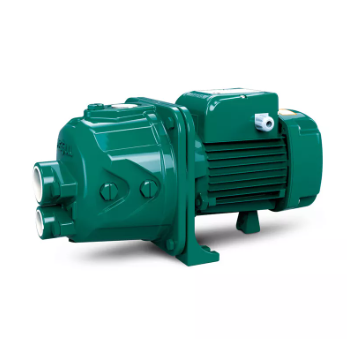
A fertilizer pump is a pumping device specially designed for transferring, mixing, or injecting liquid fertilizers into agricultural irrigation systems.
It is commonly used in:
Drip irrigation systems
Greenhouses
Agricultural fields
Hydroponic cultivation
Landscape irrigation
Fertigation systems
Unlike ordinary water pumps, fertilizer pumps need stronger resistance to chemical corrosion because many fertilizers contain salts, acids, or alkaline components.
Traditional fertilization often relies on manual application, which may lead to uneven nutrient distribution.
For example:
Some plants receive too much fertilizer
Some areas receive insufficient nutrients
Fertilizer may be lost through runoff
A fertilizer pump allows nutrients to be delivered together with irrigation water, creating a more controlled fertilization method.
This process is often called fertigation.
How Does a Fertilizer Pump Work?
The working principle depends on the pump type, but the basic process is similar:
1. Fertilizer Solution Preparation
Liquid fertilizer or dissolved fertilizer is prepared in a storage tank.
The concentration needs to be controlled because excessive fertilizer concentration may damage plant roots.
2. Fertilizer Injection
The pump transfers fertilizer solution into the irrigation pipeline.
During this process, the system controls:
Flow rate
Injection ratio
Pressure level
3. Nutrient Distribution
The fertilizer solution travels through pipes and reaches crops through:
Drip emitters
Sprinklers
Micro-irrigation systems
This allows nutrients to reach plants more evenly.
A common misunderstanding is that any chemical-resistant water pump can be used for fertilizer applications.
However, fertilizer pumping involves more challenges.
Chemical Compatibility
Different fertilizers have different chemical properties.
For example:
Nitrogen fertilizers may affect certain metals
Acidic fertilizers can corrode unsuitable materials
Salt-based fertilizers may accelerate wear
Therefore, pump materials must be carefully selected.
Common materials include:
Stainless steel
Engineering plastics
Corrosion-resistant alloys
Diaphragm pumps use a flexible membrane to move fertilizer liquid.
Advantages:
Good chemical resistance
Suitable for concentrated fertilizers
Accurate flow control
They are commonly used in professional fertigation systems.
Centrifugal pumps use rotating impellers to generate fluid movement.
Suitable for:
Large irrigation systems
High-flow applications
Agricultural water circulation
They usually work better with low-viscosity fertilizer solutions.
These pumps are designed specifically for injecting fertilizer into irrigation pipelines.
Features include:
Precise dosing
Adjustable injection rate
Automatic control compatibility
They are widely used in smart agricultural systems.
Material selection directly affects service life.
Important considerations include:
Fertilizer type
Chemical concentration
Operating temperature
Working environment
A suitable pump needs to match the irrigation system.
Insufficient pressure may cause uneven fertilization, while excessive pressure may damage irrigation components.
High-concentration fertilizer solutions may require special pump designs.
Before operation, users should confirm:
Maximum allowable concentration
Compatibility between fertilizer and pump materials
Cleaning requirements
Modern agriculture is moving from "experience-based farming" toward data-based management.
Fertilizer pumps support this trend by enabling:
Accurate nutrient delivery
Reduced fertilizer consumption
Automated irrigation control
Better crop management
When combined with sensors and smart controllers, fertilizer systems can adjust nutrient supply according to crop growth conditions.
Common Applications of Fertilizer Pumps
Greenhouse Farming
Greenhouses require precise nutrient management because crops grow in controlled environments.
Fertilizer pumps help maintain stable nutrient levels.
Fruit and Vegetable Plantations
For high-value crops, uneven fertilization can directly affect:
Growth quality
Yield consistency
Product appearance
Hydroponic Systems
In soilless cultivation, plants depend almost entirely on nutrient solutions.
Fertilizer pumps help maintain continuous circulation and nutrient supply.
Flush the System After Use
Residual fertilizer may crystallize inside pipes or pump chambers.
Regular flushing helps prevent:
Blockages
Reduced flow
Component damage
Check Sealing Components
Chemical solutions can affect:
Seals
Diaphragms
Gaskets
Regular inspection helps avoid leakage.
Monitor Abnormal Operation
Signs that require attention include:
Unusual noise
Reduced pressure
Unstable flow
Increased vibration
As precision agriculture develops, fertilizer pumps are becoming smarter.
Future systems may integrate:
Automatic nutrient adjustment
IoT monitoring
Remote control
AI-based irrigation management
Energy-efficient pump designs
The focus is shifting from simply transporting fertilizer to achieving more accurate and sustainable crop nutrition management.
A fertilizer pump is a small but important part of modern agricultural technology. It connects irrigation systems with precise nutrient delivery, helping farmers improve fertilizer efficiency and manage crop growth more scientifically.
From traditional farmland to advanced greenhouse systems, fertilizer pumps are playing an increasingly important role in building more efficient and sustainable agricultural production methods.