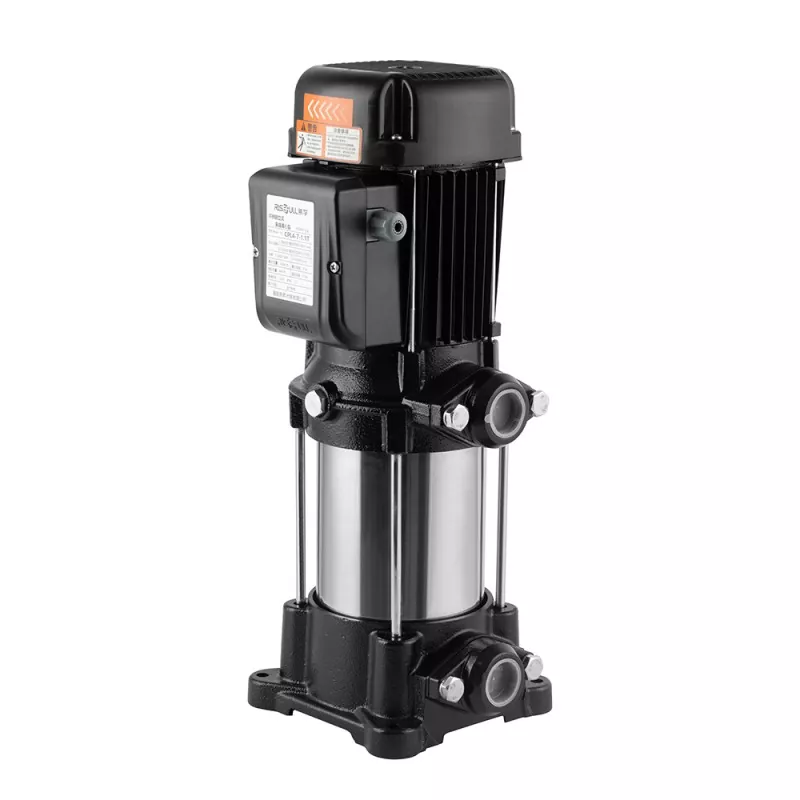
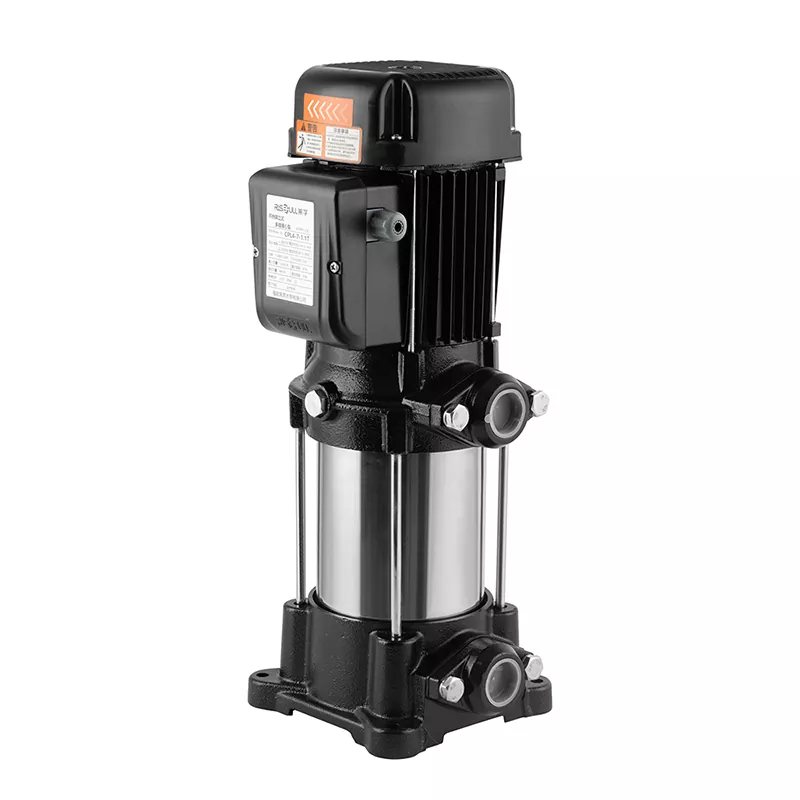
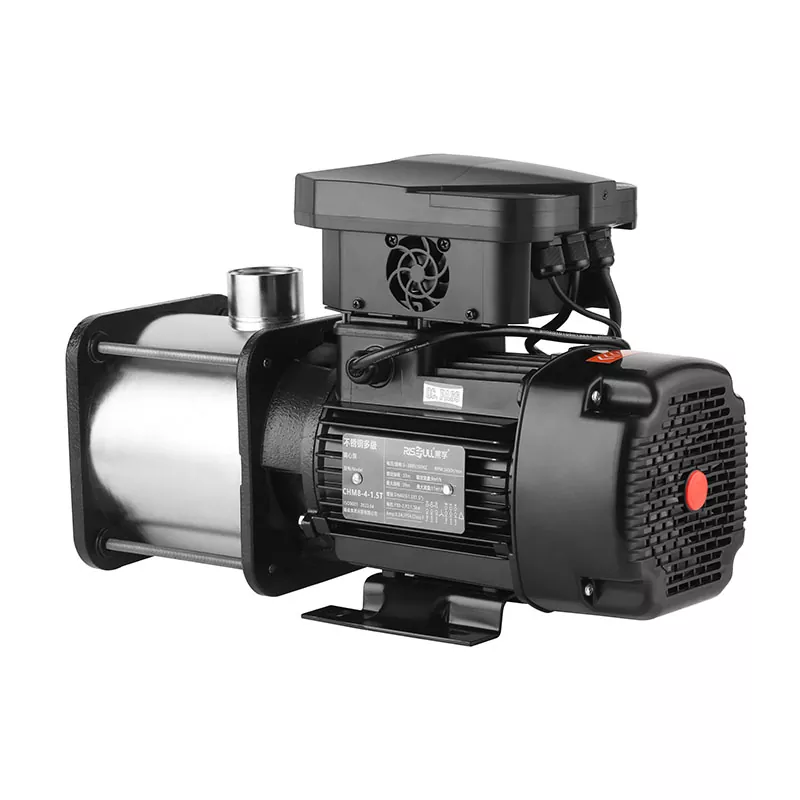
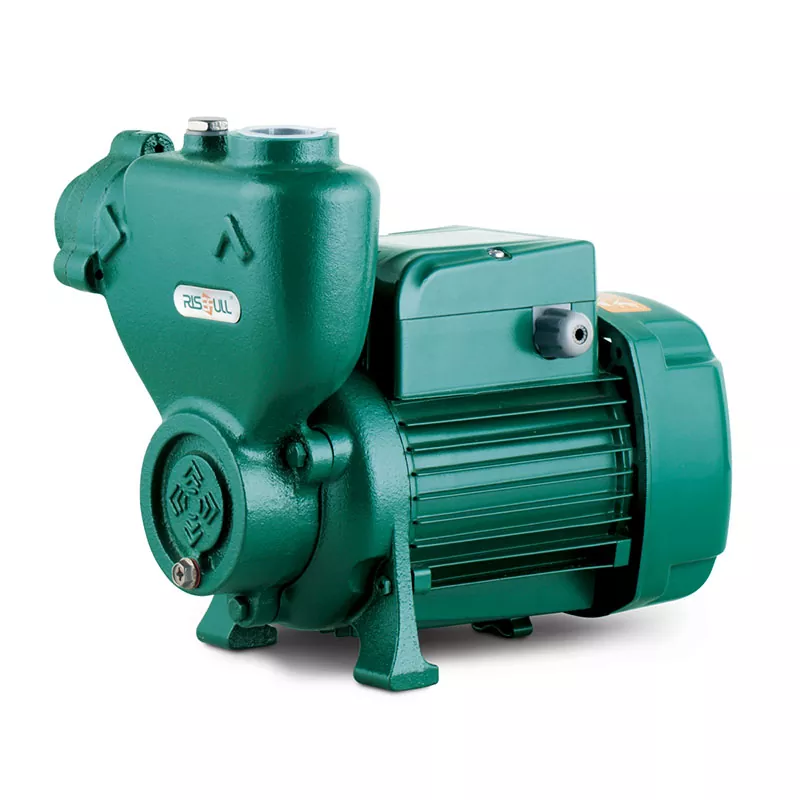
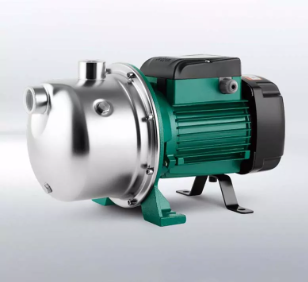
RISEFULL Self-priming Peripheral Pump technology reflects a growing shift toward smarter water management, where automatic control helps improve daily operation and system stability.
Water supply equipment has traditionally focused on basic functions such as transferring water and maintaining pressure. However, as residential, agricultural, and light industrial applications become more automated, users are paying more attention to how pumps respond to changing conditions.
A modern water system is often expected to operate without frequent manual adjustments. Pressure fluctuations, irregular water usage, and unstable suction conditions can affect performance and user experience. This has increased interest in pump systems that can work together with automatic controllers to adjust operation based on actual demand.
This trend is changing the role of compact pumps. Instead of being viewed only as mechanical devices, pumps are increasingly becoming part of integrated water management systems.
One of the main reasons automatic control is becoming more important is the changing pattern of water consumption. In many homes, farms, and small facilities, water demand is not constant throughout the day.
For example, a household may require higher pressure during morning hours while using less water at night. Agricultural irrigation systems may also have different requirements depending on crop conditions and watering schedules.
Automatic control systems help pumps respond to these changes by controlling start and stop operations, reducing unnecessary running time, and maintaining more stable water pressure.
| Traditional Pump Operation | Automatic Control-Based Operation |
|---|---|
| Requires more manual monitoring | Adjusts operation according to demand |
| May run during low water demand periods | Helps reduce unnecessary operation |
| Pressure changes may require adjustment | Supports more stable pressure management |
| Depends heavily on user intervention | Provides a more convenient experience |
The combination of pump design and intelligent control is becoming an important consideration when selecting equipment for modern water systems.
Automatic control alone cannot solve every water supply challenge. The basic structure and operating characteristics of the pump remain important.
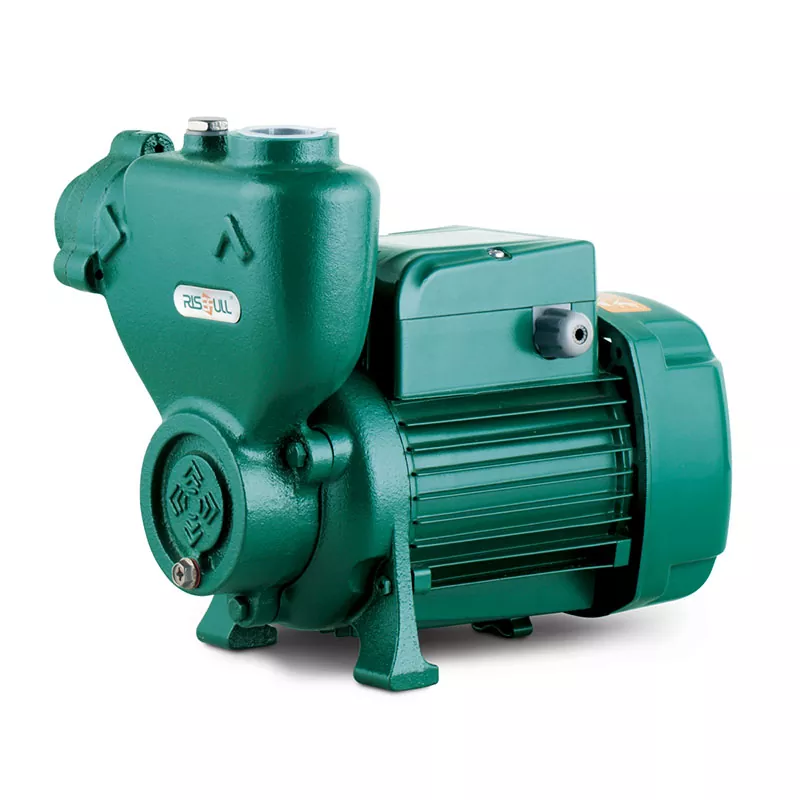
A Self-priming Peripheral Pump is designed to handle situations where air may exist in the suction line or where the water source is not immediately available at startup. This feature is useful in applications where installation conditions are not always ideal.
Compared with conventional pumps that may require additional preparation before operation, self-priming designs can simplify system setup and reduce interruptions caused by suction problems.
This is especially valuable in small water supply systems, garden irrigation, pressure boosting, and similar applications where users expect equipment to start reliably without complicated procedures.
Space limitations are another factor influencing pump selection. Many modern installations require equipment that can deliver stable performance while occupying limited space.
Compact water systems are becoming more common in:
In these situations, users often look for a balance between pressure performance, operating convenience, and installation flexibility.
The development of smaller automatic water systems has encouraged pump designs that combine compact structures with improved control functions. This allows equipment to fit into more application environments without requiring complex supporting systems.
The development of automatic water systems is not only about improving technical performance. It is also related to reducing daily maintenance requirements.
Many users do not want to frequently check whether a pump is operating correctly or manually adjust settings according to water demand. They prefer systems that can respond automatically while maintaining consistent operation.
Modern pump solutions increasingly focus on several practical aspects:
Automatic systems reduce the need for repeated manual adjustments. This is especially helpful in locations where pumps are installed in areas that are difficult to access.
Frequent pressure changes can affect appliances, irrigation equipment, and overall water usage efficiency. Automatic control helps maintain a more balanced operating condition.
When water demand decreases, intelligent control can help avoid continuous operation, supporting more efficient energy use.
These improvements explain why automatic functions are becoming an important direction in small and medium-sized water supply equipment.
The future development of compact pumps is closely connected with smarter water management. As digital controls become more common, pump systems are expected to provide better monitoring, easier operation, and stronger adaptability.
Several trends are likely to influence future product development:
| Trend | Impact on Pump Systems |
|---|---|
| Smart control technology | Better response to changing water demand |
| Energy-conscious operation | Greater focus on efficient running cycles |
| Compact installation | More applications in limited spaces |
| User-friendly design | Less maintenance and easier operation |
The focus is gradually shifting from simply moving water to creating complete systems that manage water more effectively.
Automatic control is changing how people view modern water equipment. Pumps are no longer selected only by basic flow and pressure requirements; factors such as startup reliability, operating convenience, and system adaptability are becoming increasingly important.
With the combination of self-priming capability and intelligent control technology, the Self-priming Peripheral Pump is becoming a practical option for applications that require stable and convenient water management. RISEFULL continues to explore improvements in pump technology and automatic systems, supporting the development of more efficient and user-friendly water solutions.
-