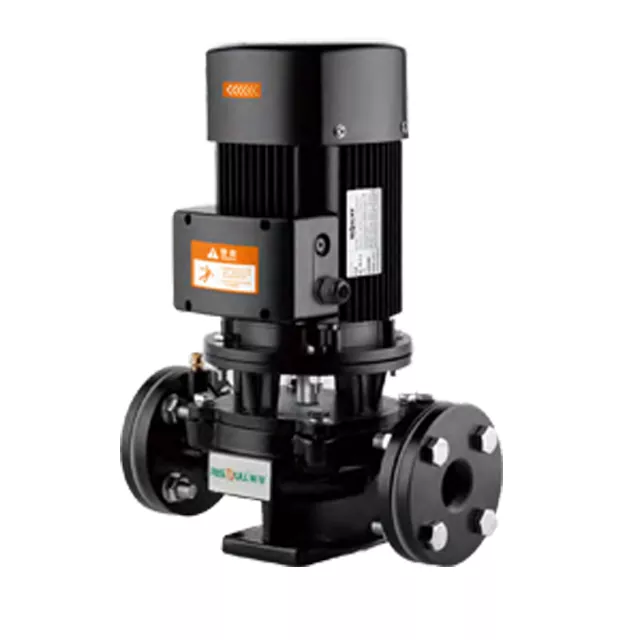
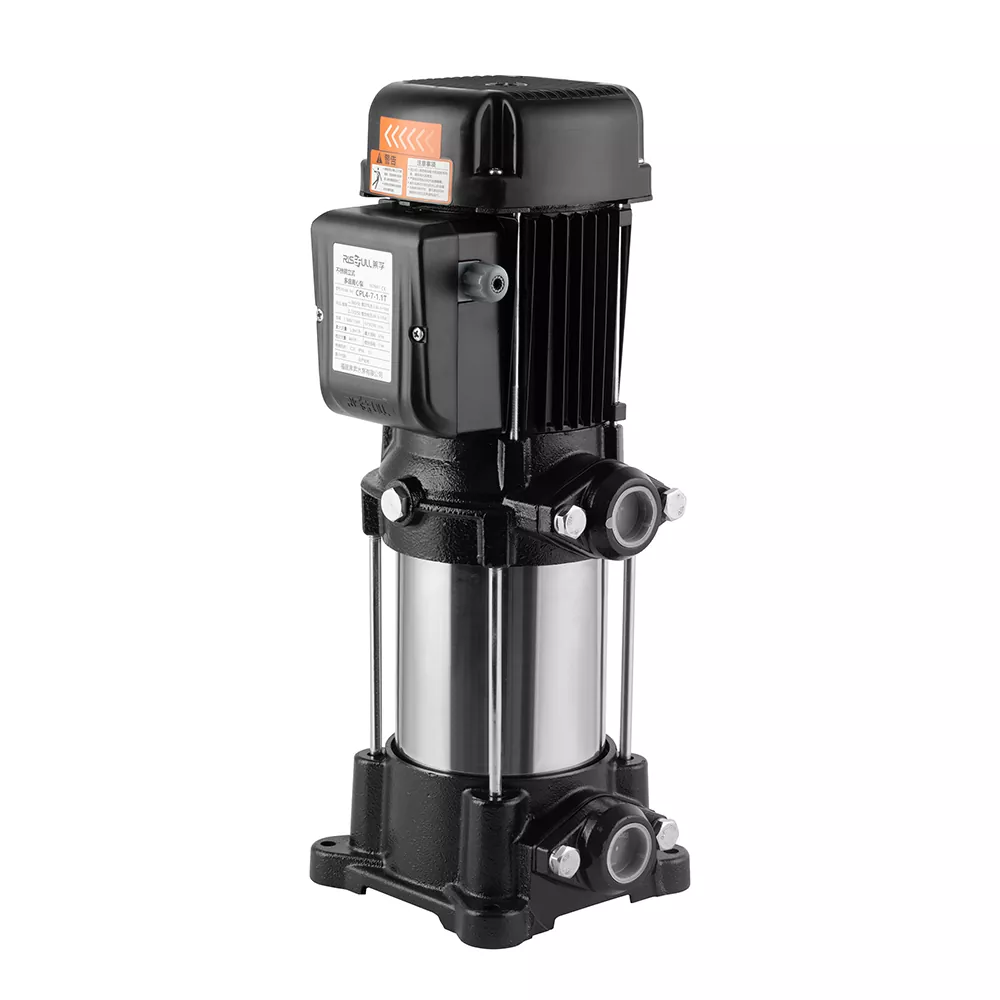
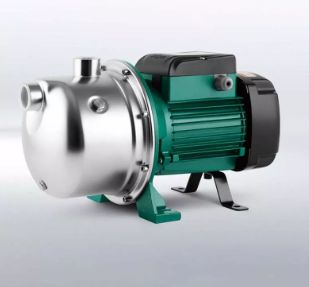
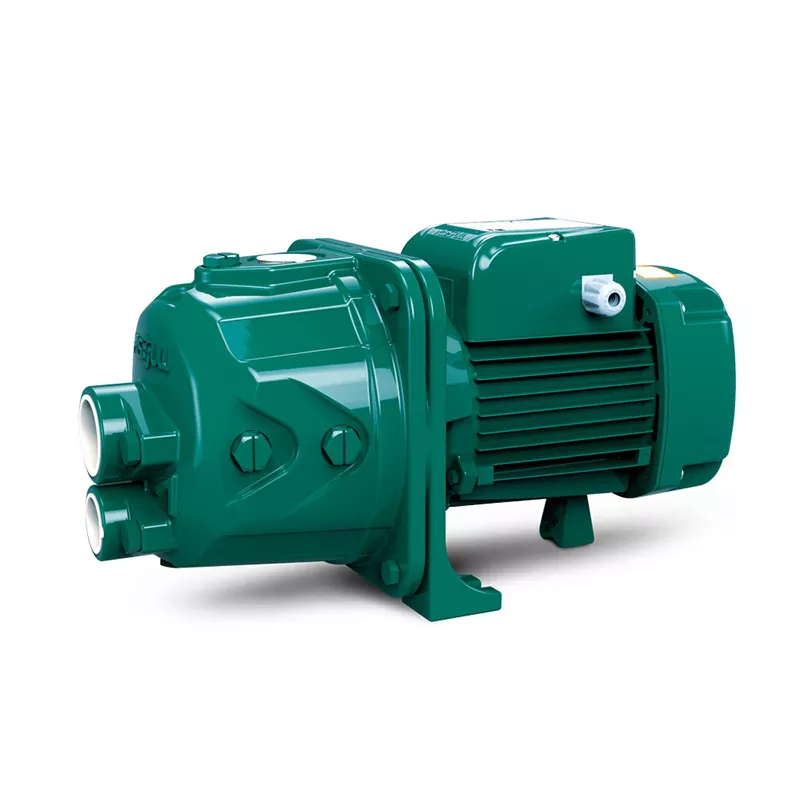
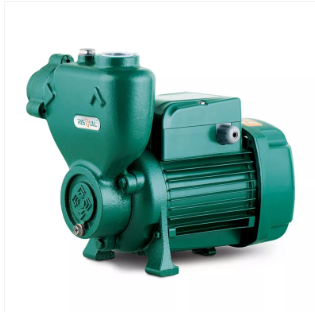
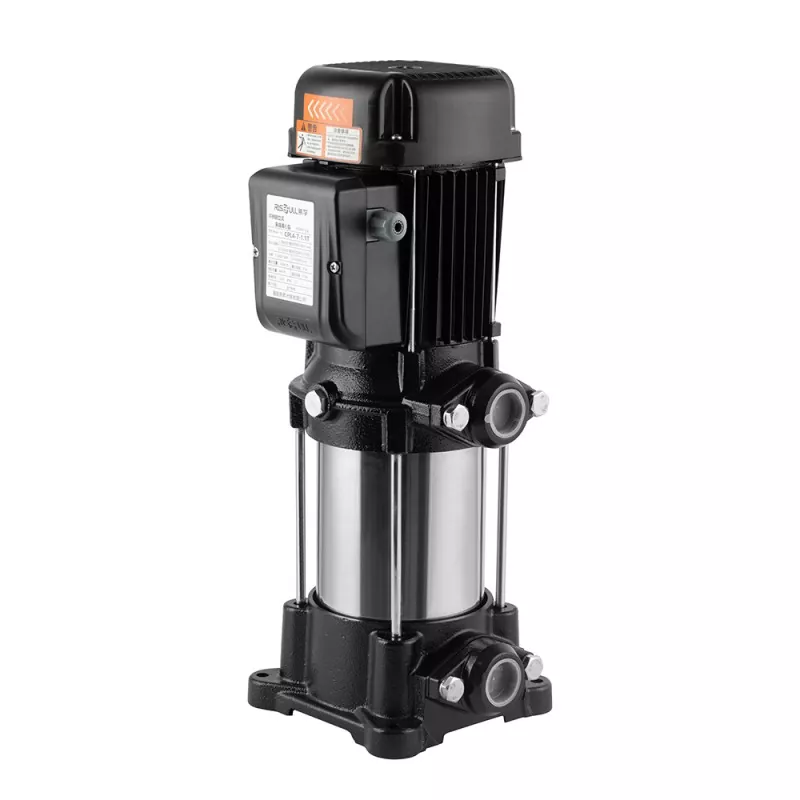
Household Water Pump technology plays an important role in maintaining stable and reliable water distribution in modern residential buildings. As household water consumption continues to change, families increasingly depend on efficient pumping systems to deliver water to kitchens, bathrooms, laundry areas, and other domestic facilities. From improving water pressure to supporting water storage systems, pumping technology has become an essential part of residential water infrastructure.
Meeting the Growing Demand for Residential Water
In many residential properties, water pressure can vary depending on building height, pipeline distance, municipal supply conditions, and the number of connected water outlets. These variations may become more noticeable in multi-story houses, where water needs to travel vertically before reaching upper floors.
A properly selected pumping system helps address these challenges by moving water through residential pipelines at an appropriate pressure and flow rate. It can support consistent water delivery during everyday activities, including showering, cooking, cleaning, and operating household appliances. This is particularly relevant in properties that rely on private wells, rooftop storage tanks, or underground water reservoirs.
Technological Improvements in Pumping Systems
Recent developments in residential pumping equipment have focused on motor efficiency, automatic operation, pressure control, and noise reduction. Traditional pumps often operate at a relatively fixed speed, while modern variable-speed systems can adjust motor output according to changing water demand.
Pressure sensors and automatic controllers also help regulate pump operation. When a household opens a tap or activates an appliance, the control system can respond to changes in pipeline pressure. Once water demand decreases, the pump can reduce its operating speed or stop when appropriate. These functions help avoid unnecessary operation and may reduce energy consumption under suitable installation conditions.
Another important development involves compact pump structures and improved motor designs. Smaller residential properties often have limited installation space, making equipment dimensions, ventilation, maintenance access, and operating noise important considerations. Manufacturers are therefore paying greater attention to the relationship between pump performance and residential installation requirements.
Energy Efficiency and Water Pressure Management
Energy consumption is an important factor in evaluating residential water systems. Pump efficiency depends on several technical conditions, including motor performance, hydraulic design, pipe resistance, operating pressure, and actual water demand.
A Household Water Pump should be selected according to the required flow rate and total dynamic head rather than motor power alone. An oversized pump may operate inefficiently, while an undersized unit may struggle to provide sufficient water under peak demand. Proper system sizing helps balance water availability, energy use, and equipment operating conditions.
Pipeline design also influences overall performance. Excessive bends, undersized pipes, leaks, and unnecessary restrictions can increase resistance and reduce effective water delivery. Regular inspection of valves, filters, pressure controls, and connections helps identify problems before they significantly affect household water supply.
Installation, Maintenance, and Operational Reliability
Correct installation is essential for maintaining long-term pumping performance. Factors such as the water source, pump location, suction conditions, electrical protection, and pipeline configuration should be evaluated before equipment is installed. Pumps used with private wells or storage tanks may also require suitable protection against dry running and unstable water levels.
Routine maintenance helps preserve system reliability. Homeowners should monitor unusual vibration, abnormal noise, frequent starting and stopping, pressure fluctuations, and visible leakage. These symptoms may indicate air entering the pipeline, blocked filters, damaged components, or incorrect pressure settings.
Water quality is another consideration. Sediment and suspended particles can affect internal pump components, depending on the pump design and the characteristics of the water source. Appropriate filtration and periodic system inspections can help reduce operational problems.
Future Developments in Residential Water Supply
Smart monitoring and automated control are becoming increasingly relevant to residential water infrastructure. Some modern pumping systems incorporate electronic controllers that monitor operating pressure, motor conditions, and water demand. These technologies may help identify abnormal operating patterns and make household water management more convenient.
Future developments are likely to focus on improving energy efficiency, reducing operating noise, extending equipment service life, and integrating pumping systems with smart home infrastructure. However, practical performance will continue to depend on appropriate equipment selection, installation quality, and regular maintenance.
Conclusion
Reliable domestic water distribution depends on more than the availability of a water source. Pressure stability, pumping efficiency, pipeline design, and maintenance all contribute to the performance of residential water systems. As technology continues to develop, Household Water Pump solutions are expected to play an increasingly important role in supporting efficient and dependable daily water use.
We use cookies to offer you a better browsing experience, analyze site traffic and personalize content. By using this site, you agree to our use of cookies. Privacy Policy